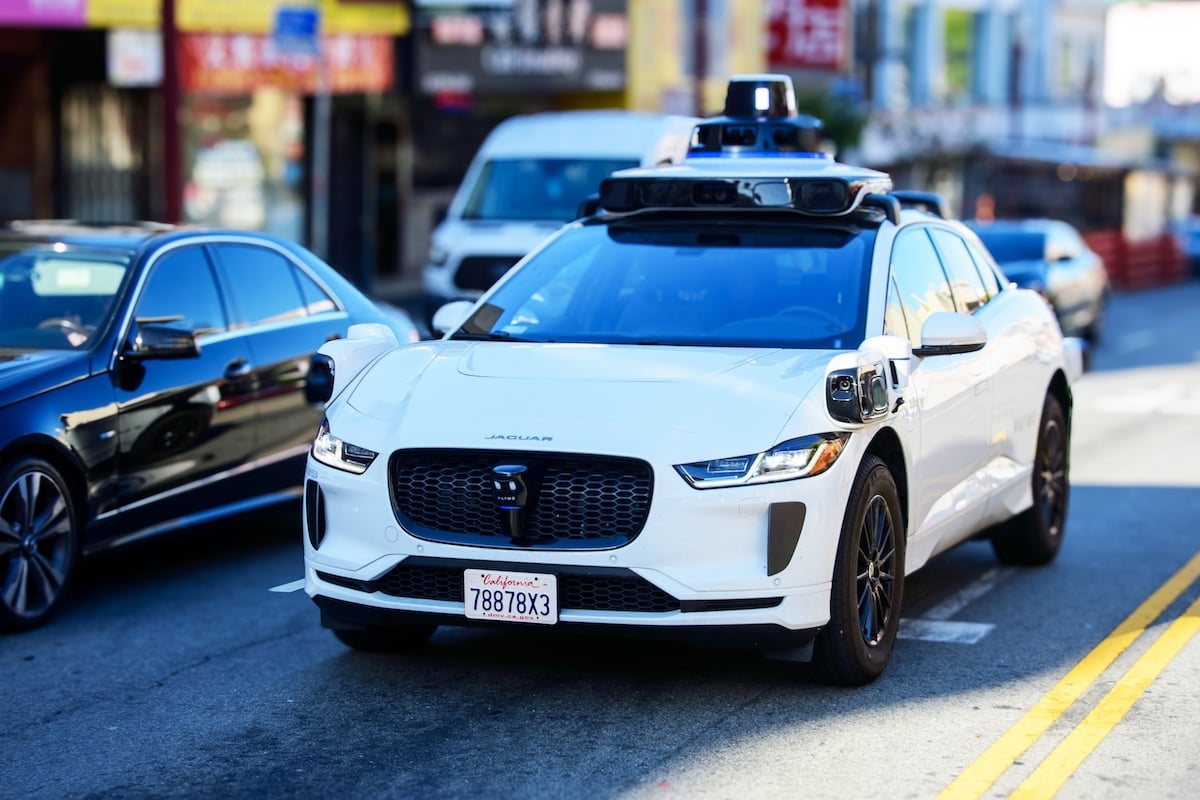
Tesla’s robotaxi fleet, powered by new self-driving software, is slated to go nationwide this year. The Cybercab, however, won’t roll out until at least 2026.
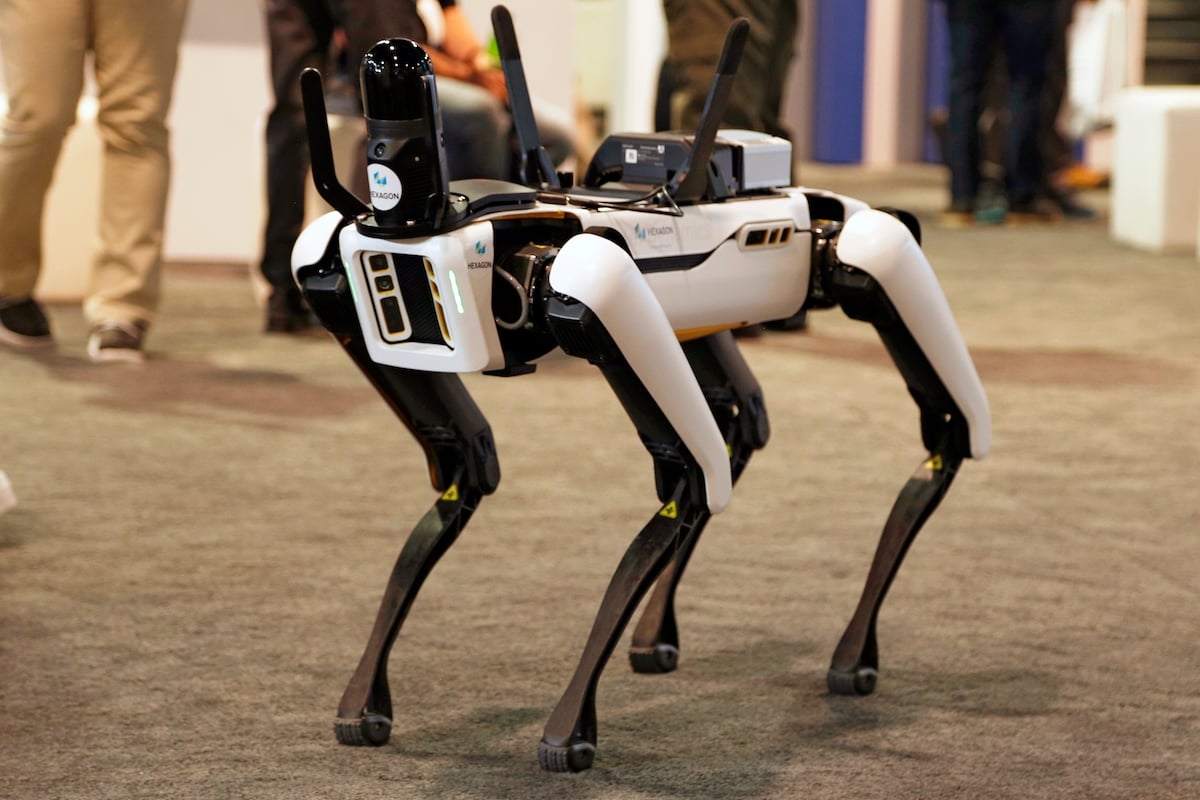
Engineered to move and behave like the real thing, robot dogs can perform all sorts of tasks, from navigating disaster zones and inspecting hazardous areas to simply providing companionship.
Isaac Asimov’s Three Laws of Robotics outline steps to prevent robots from harming humans and were originally created by Asimov to drive the plots of his fictional stories. Here are popular criticisms of the laws and their real-world impact.
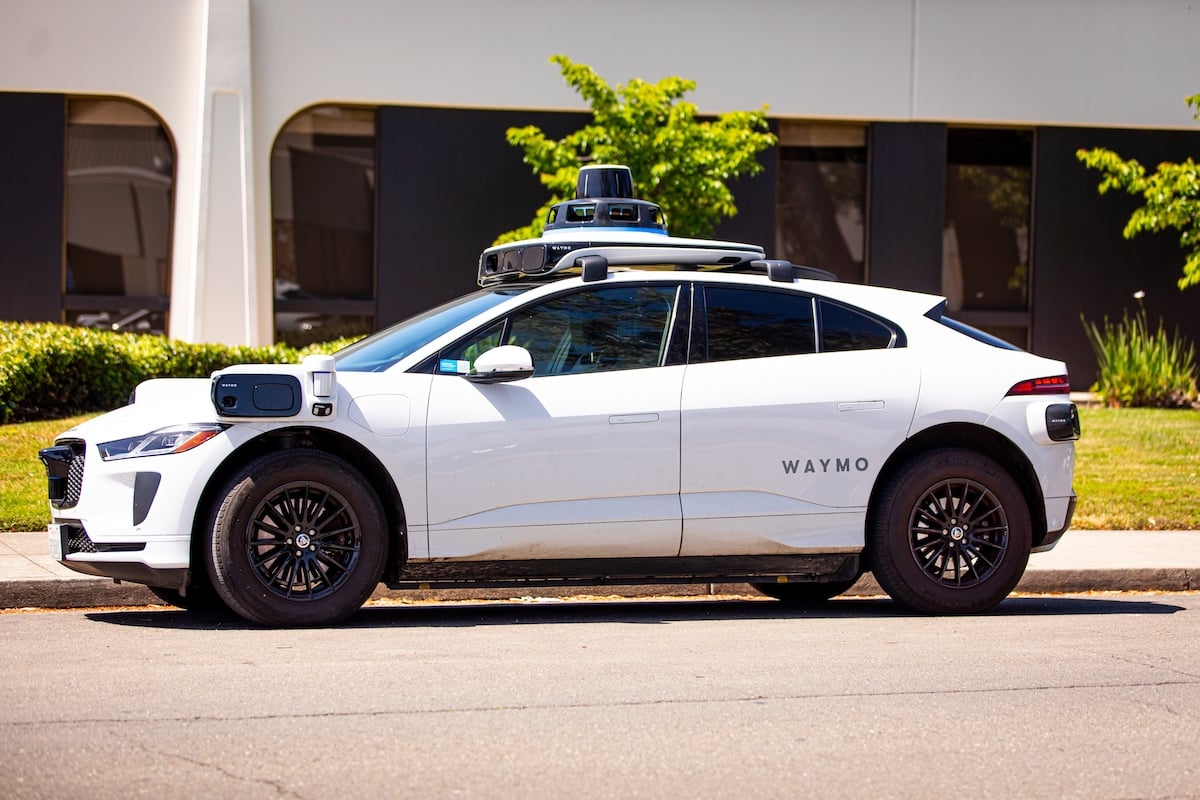
Robotaxis are paving the way for a safer and smarter future in urban mobility. In this article, we break down how these driverless cabs work, highlight top examples and explore the barriers they must overcome before they can hit the streets full force.
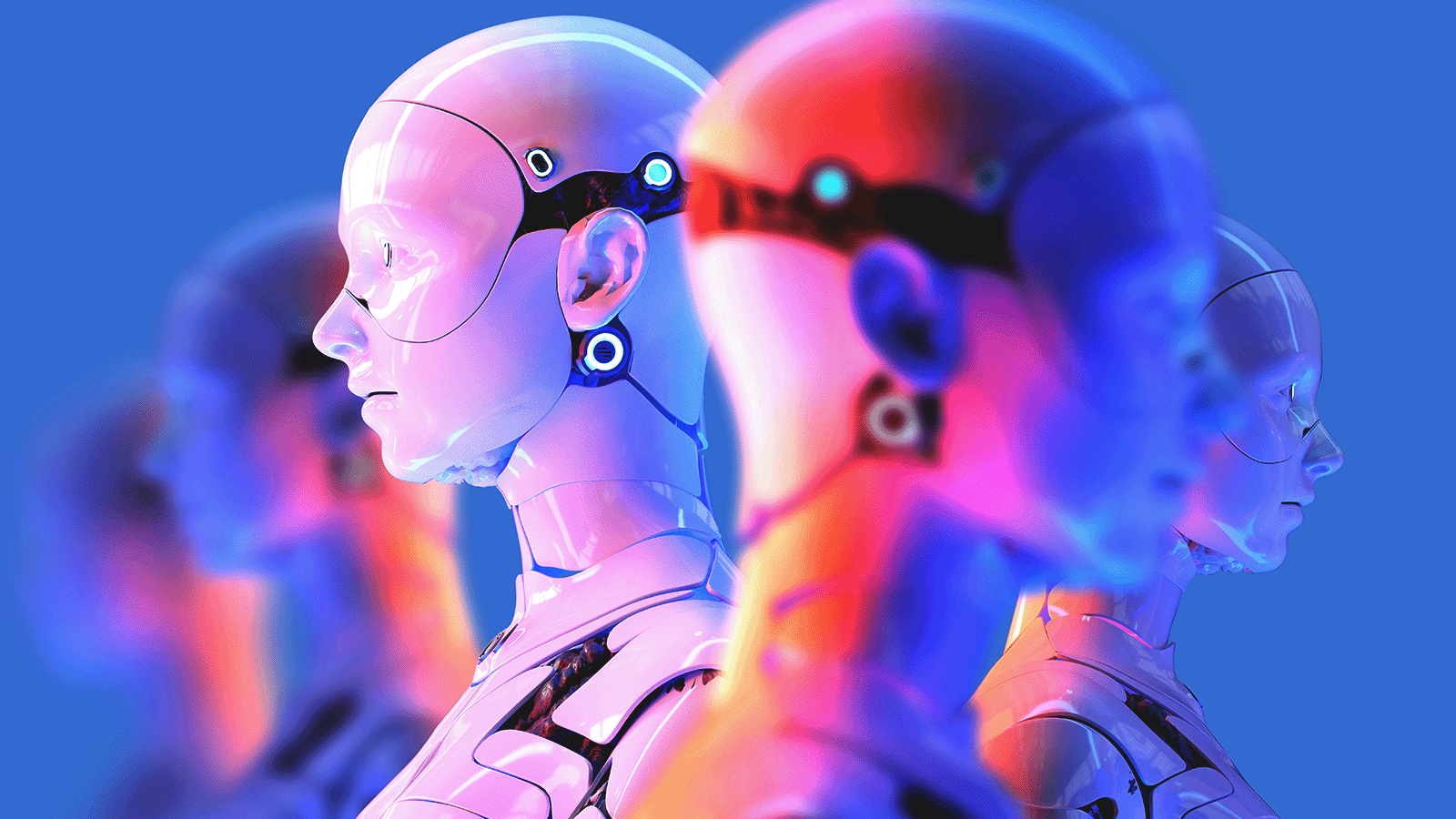
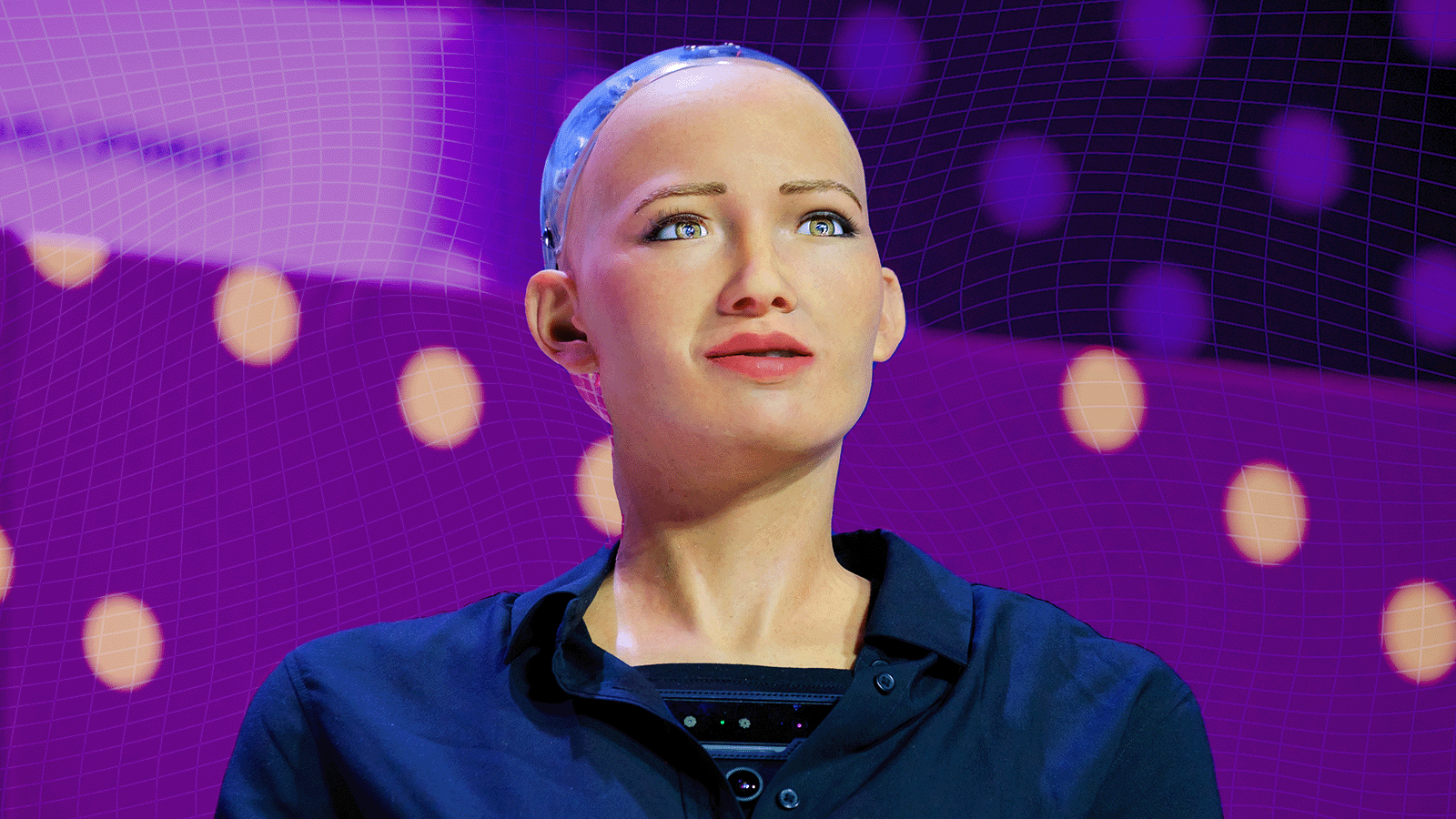
Humanoid robots mimic human expressions and movements and employ AI technologies to navigate complex environments and interactions. These are some of the top humanoid robots being used today.
Meta’s former AI chief scientist is ditching the generative AI to build a new breed of machine intelligence that actually understands how the physical world works.
Valued at more than $120 billion, Waymo is aggressively staking its claim in key cities and major international markets in phase two of its commercial rollout, securing rider loyalty before competitors can catch up.
Humanoid robots are about to level up with “AI brains” — AI systems powered by advanced models that can learn to adapt to new situations. They’re still a work in progress, but they could sing that the skilled trades aren’t so AI-proof after all.